WordPress, Joomla, or a Custom Website: Which Is Better?
I've never been particularly interested in treating web-development tools like sports teams.
WordPress is good.
Joomla is good.
Custom development is good.
They can also all be terrible choices.
It depends on what you're building.
WordPress
WordPress has an enormous ecosystem.
That's a real advantage.
There are themes, integrations, developers, documentation, ecommerce systems, and plugins for almost anything imaginable.
It's particularly attractive when a client wants to manage a lot of content themselves.
The downside is that it's easy to solve every problem by installing another plugin until the website becomes an archaeological dig.
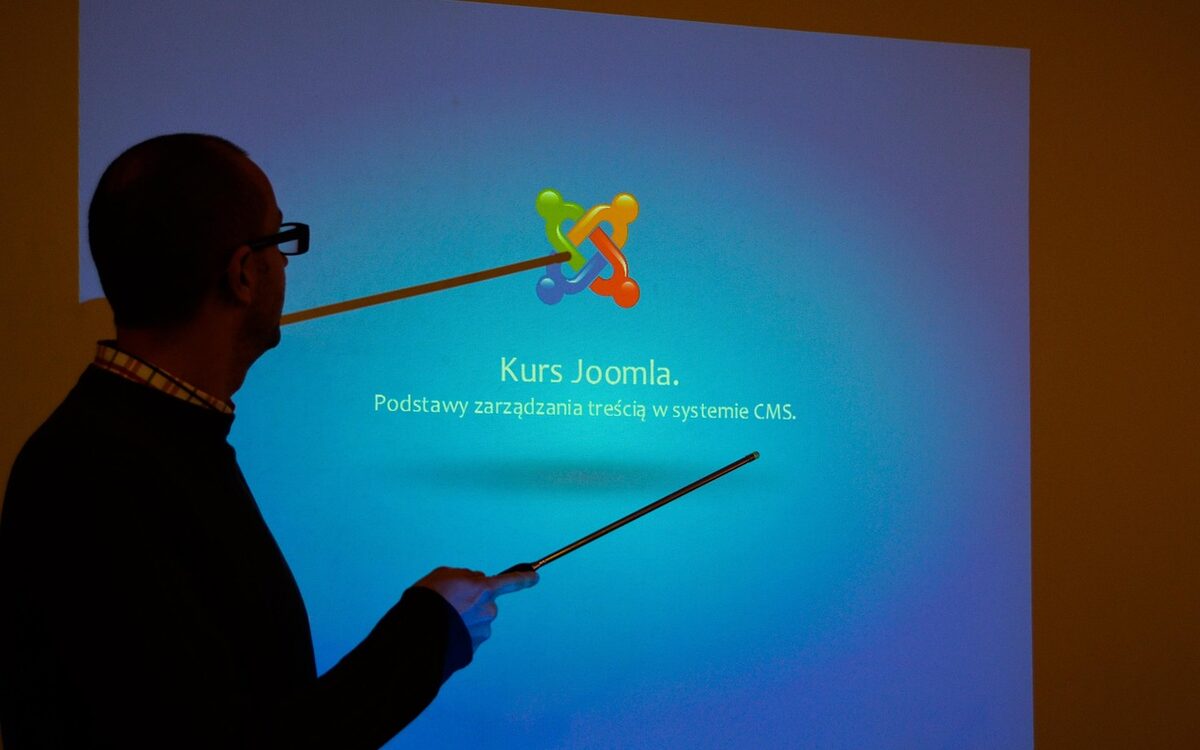
Joomla
Joomla provides a capable content-management system with a somewhat different approach to structure, permissions, modules, and content organization.
I've used it for projects where its built-in organization and access-control capabilities made sense.
Like WordPress, extensions can expand it significantly.
And like WordPress, poorly maintained extensions can create problems.
Custom Development
Sometimes a project doesn't need a CMS at all.
A carefully built PHP, HTML, CSS, and JavaScript site can be extremely fast and straightforward.
Custom applications also make sense when the website needs business logic that doesn't fit neatly into an existing platform.
The tradeoff is obvious: somebody has to maintain the code.
Choose Based on Requirements
Before choosing technology, I prefer to ask:
- Who will update the website?
- What does it need to do?
- Does it need user accounts?
- Is ecommerce involved?
- Are there integrations?
- How frequently will content change?
- What's the budget?
- Who maintains it afterward?
Choose the platform after answering those questions.
Starting with “I want WordPress” and then trying to force every requirement into it is backwards.
Technology should follow the problem.